



 See more work at tristanf.com
The Brief
The Vision of the Lightweight Sports
Six years later, Hall joined Mazda USA.
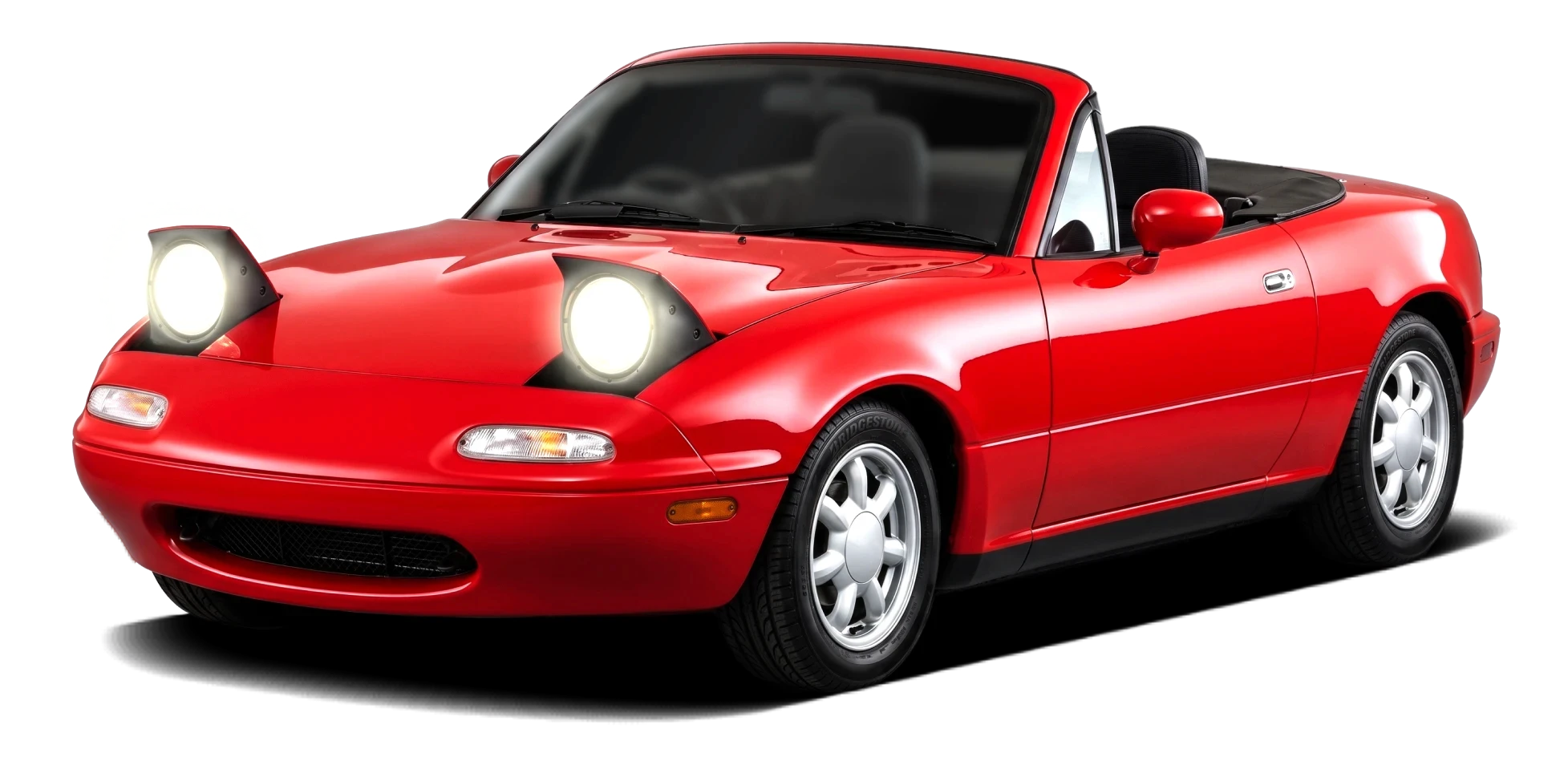
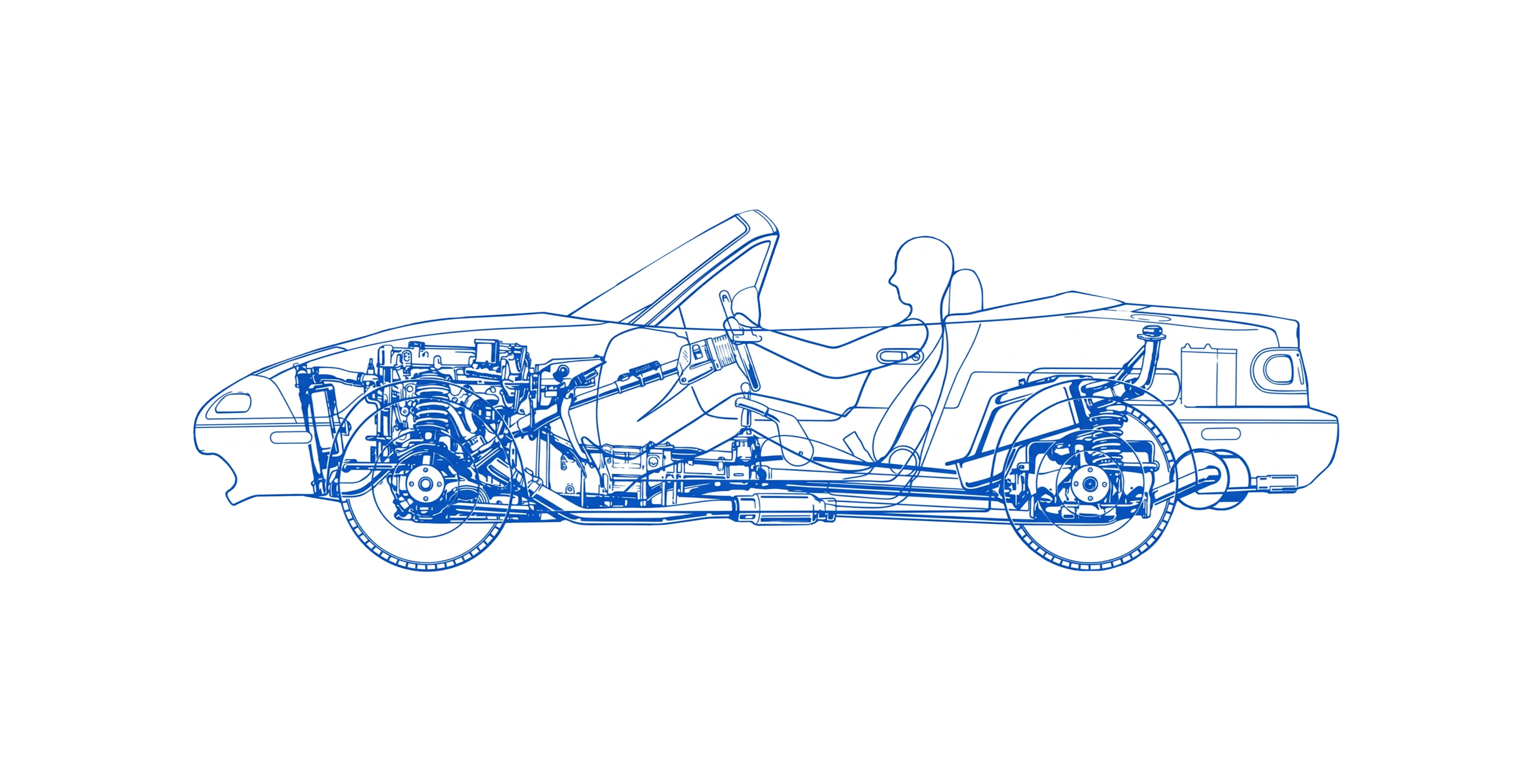
Yamamoto, now chairman, hadn't forgotten their conversation. In 1982, he gave Hall the go-ahead to research the idea. The brief was almost defiantly simple. Front engine, rear-wheel drive. A soft top. Two seats. Light, reliable, and fun.
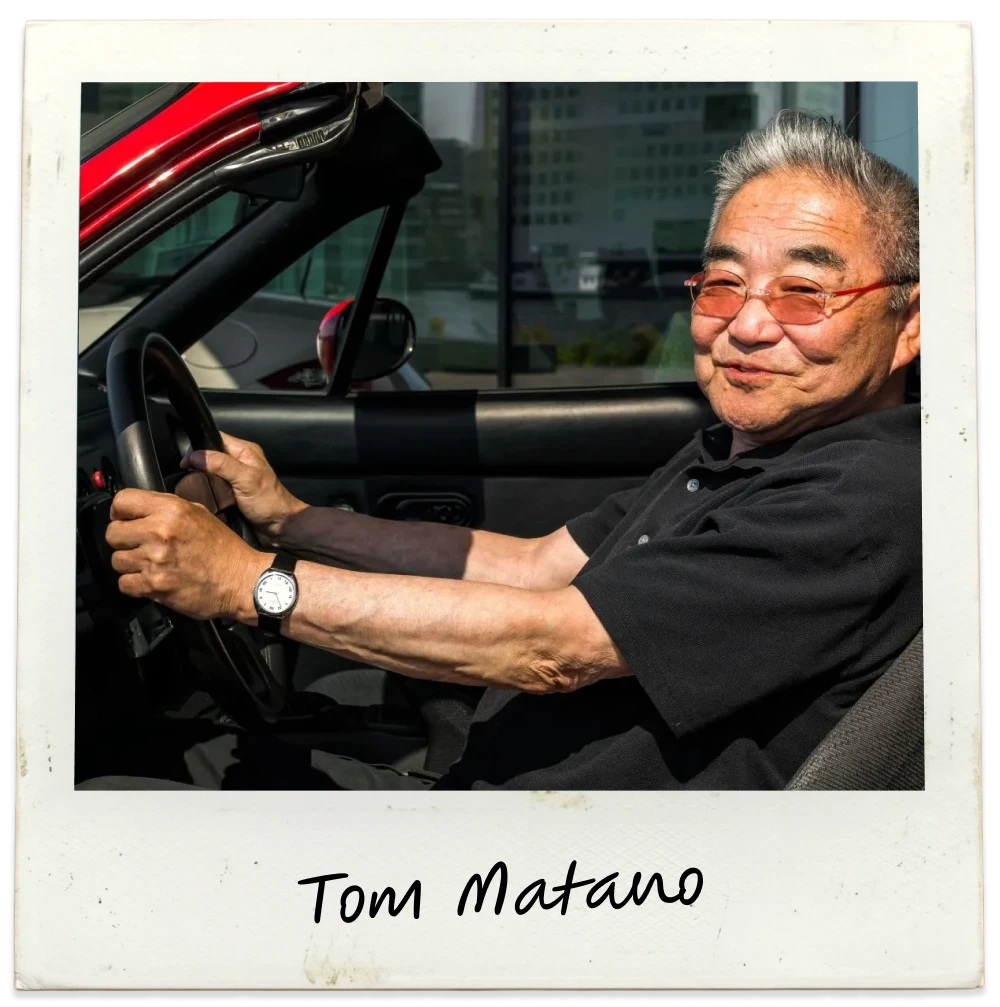
Tom Matano, who would become one of the car's principal designers, described his vision:
"An LWS must be an everyday sports car — like a pair of running shoes you just put on and jog around the block."

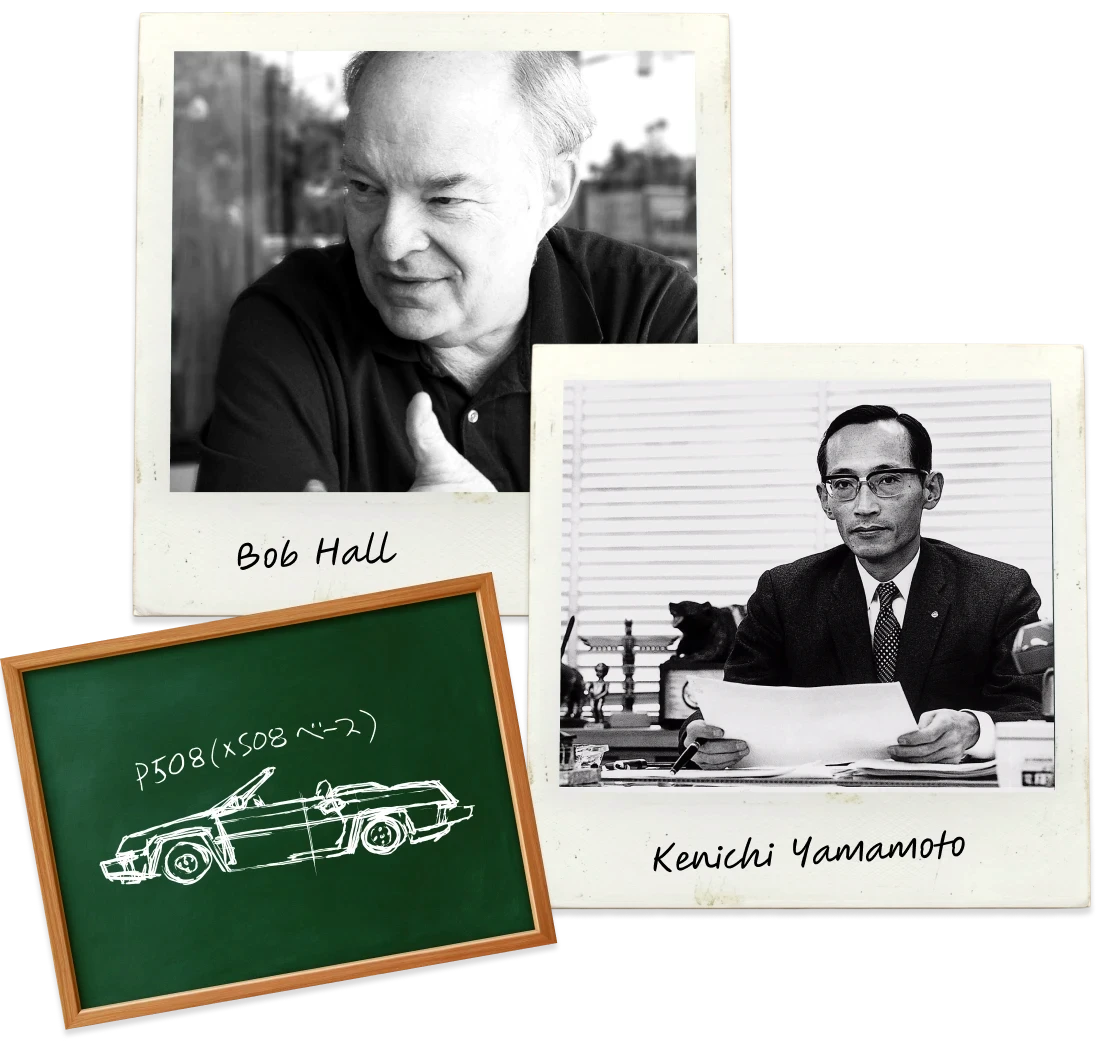
In 1979, Bob Hall shared his vision of a lightweight, affordable sports car with Kenichi Yamamoto.
Yamamoto asked Hall what kind of car Mazda should make in the future. Hall was someone who loved cars enough to mourn the ones that no longer existed. He said they should build a simple, inexpensive roadster. The kind of small, wind-in-the-hair sports car that the British used to make, and had stopped making. Yamamoto listened, and remembered.
Front engine
Rear-wheel drive
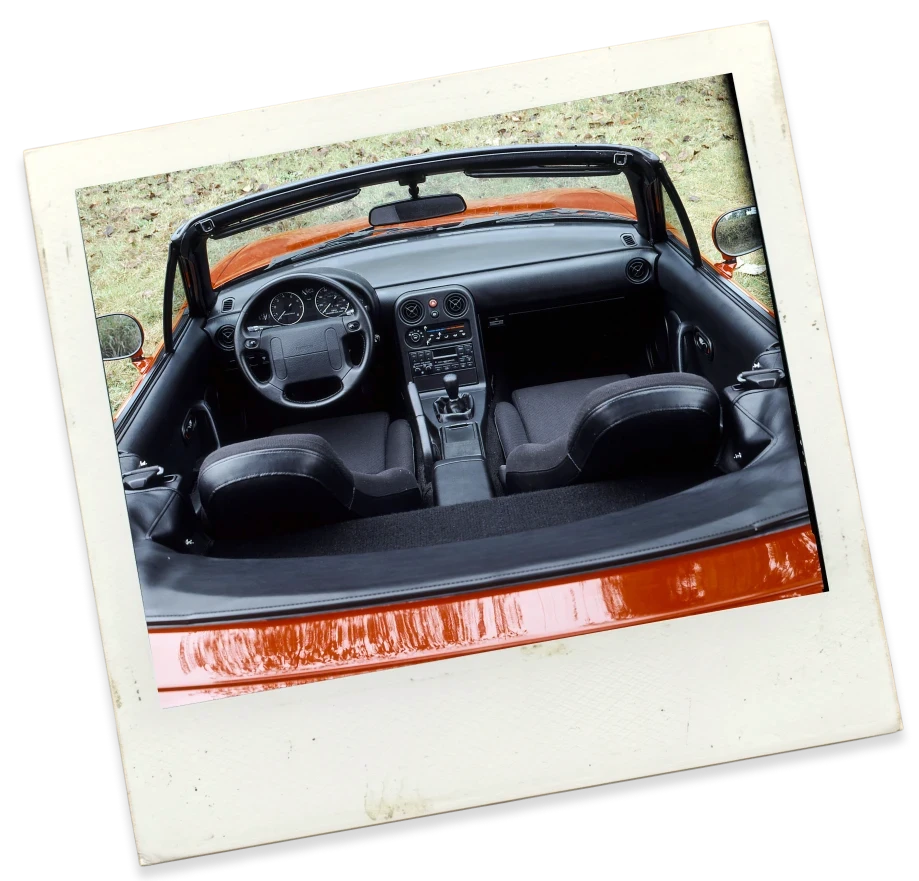
Soft top
Two seater
Light
Reliable
Fun
The Competition
A race for the perfect roadster
Front-engine, front-wheel-drive
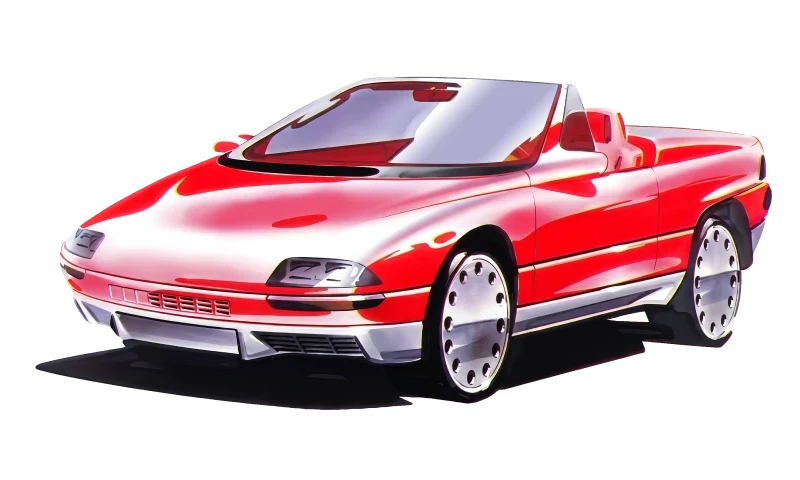
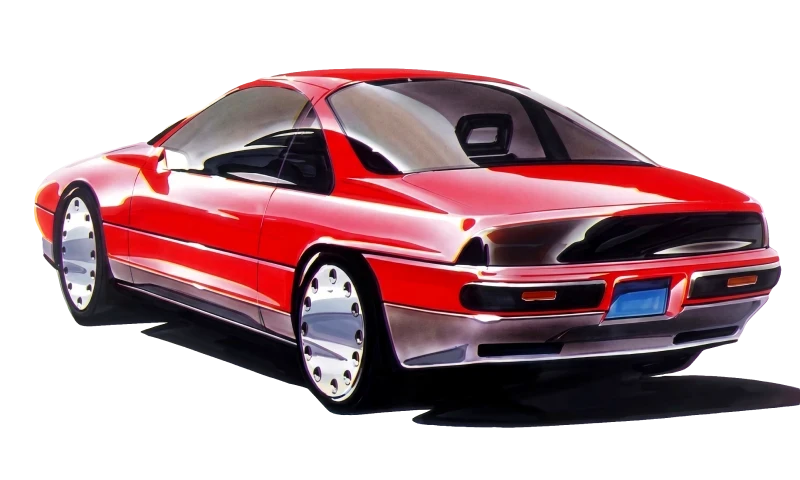
Tokyo, Japan
Japan proposed the two designs: the common front-engine, front-wheel-drive layout and the technically ambitious rear mid-engine, rear-wheel-drive layout.
Mid-engine, rear-wheel-drive
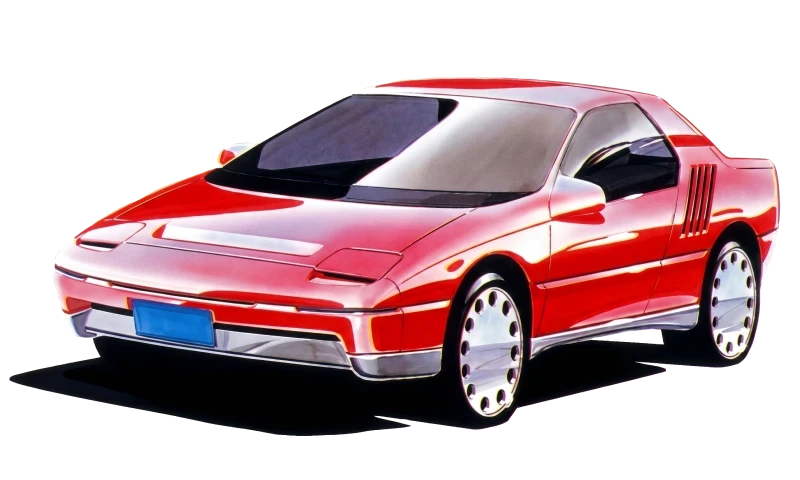
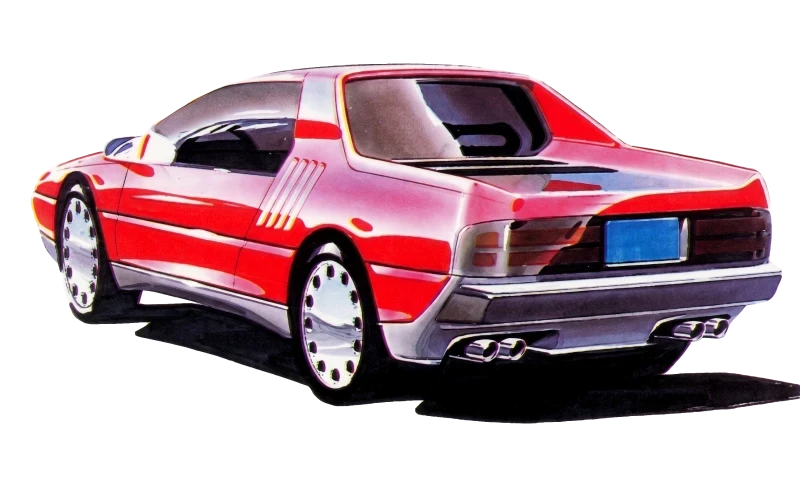
vs
Front-engine,
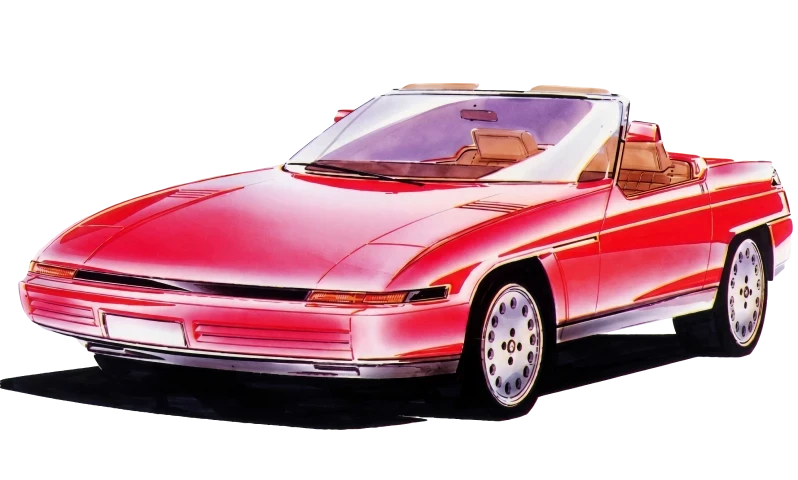
California, USA
California’s proposal, codenamed Duo 101, held firm on the front-engine, rear-wheel-drive setup — faithful to the British roadster lineage the project was born from.
rear-wheel-drive
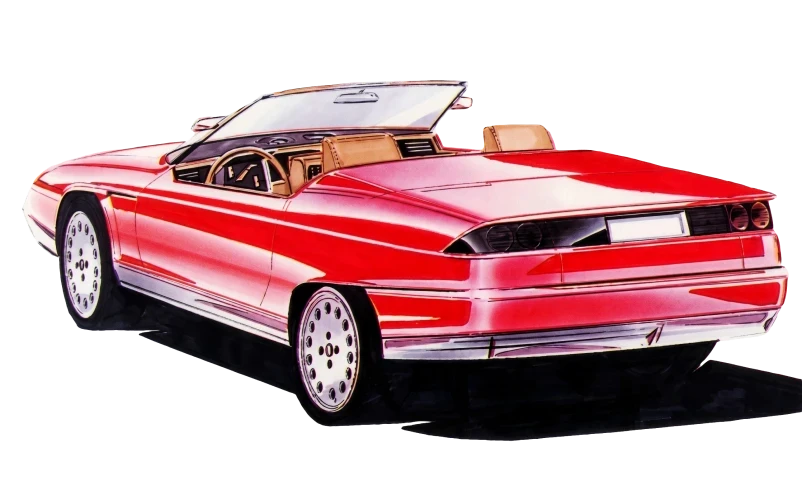
The California proposal won.
The Struggle
It almost never happened
US-based designer Koichi Hayashi began sculpting the first clay models. When they reached Japan, his boss, Shunji Tanaka, tore them apart.
The executives weren’t excited about it either.
The Head of Sales for Mazda USA glimpsed some Polaroids and dismissed it outright:
“There is no market for this car. Period. No matter how it looks.”
The president of Mazda Germany echoed the doubt.
“There’s no sales potential anywhere in Europe.”
Mazda Japan
“Projected sales volume in Japan is so small as to make the car economically non-viable.”
Even the US team, exhausted and beaten down, considered walking away.
For a moment, it seemed the little roadster would quietly disappear forever.
The Turning Point
Then they saw it in person
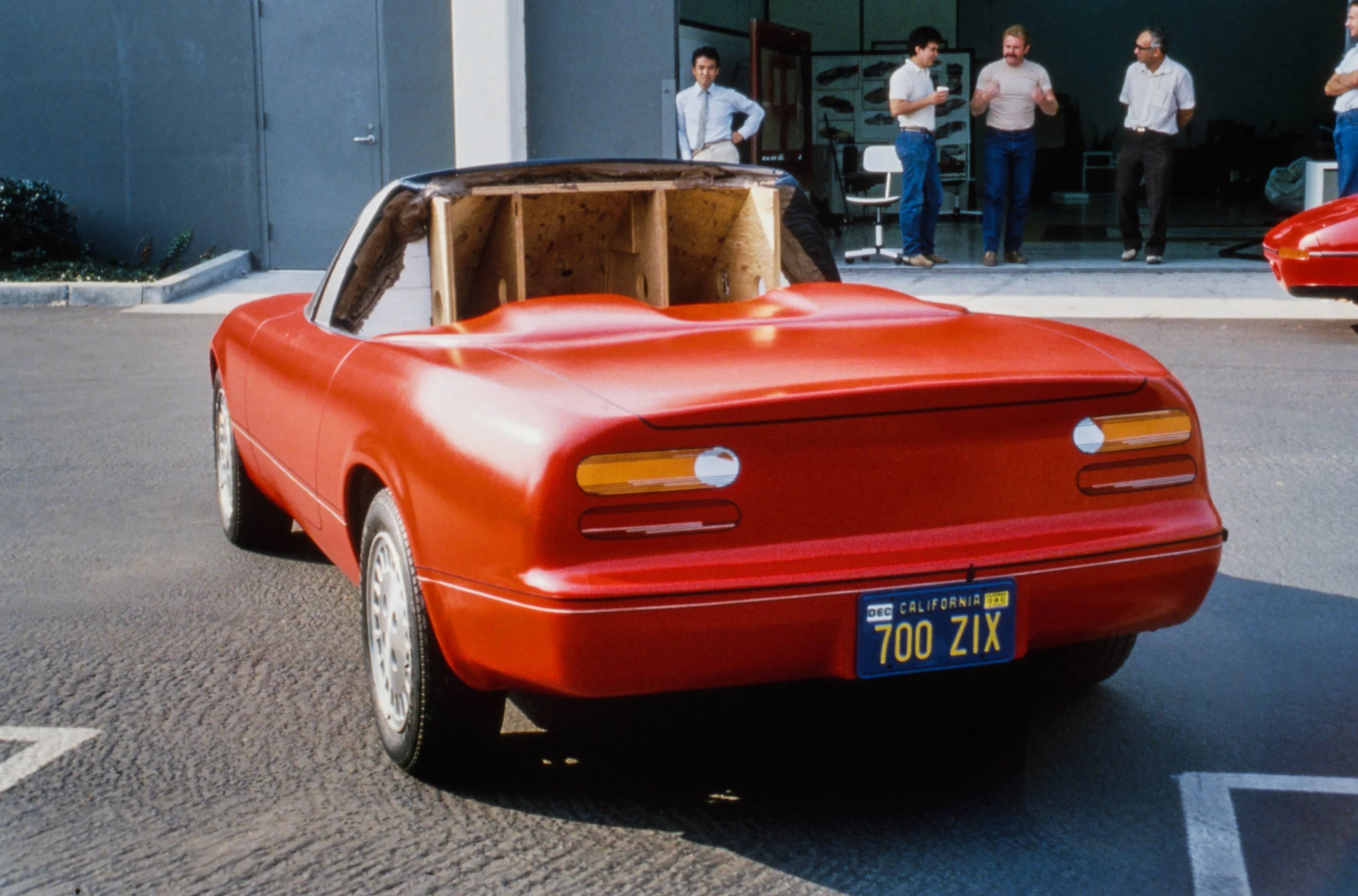
Mazda was too far in to quit without an answer. They shipped Tanaka's full-size fiberglass model to California and held a customer clinic — putting the car in front of real people.
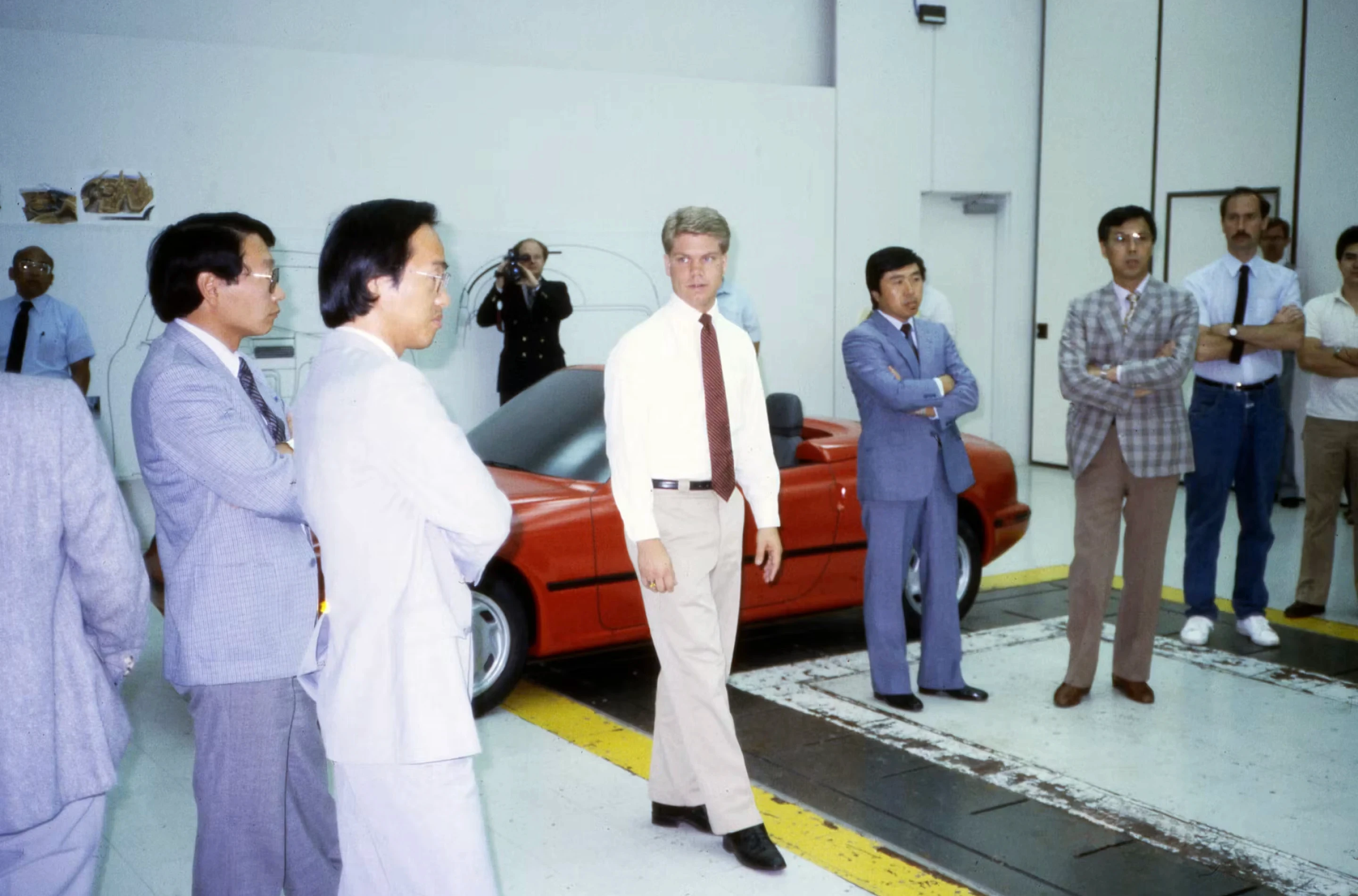
The moment the US team saw the model in person, something shifted. The polaroids hadn’t done it justice. They loved it.
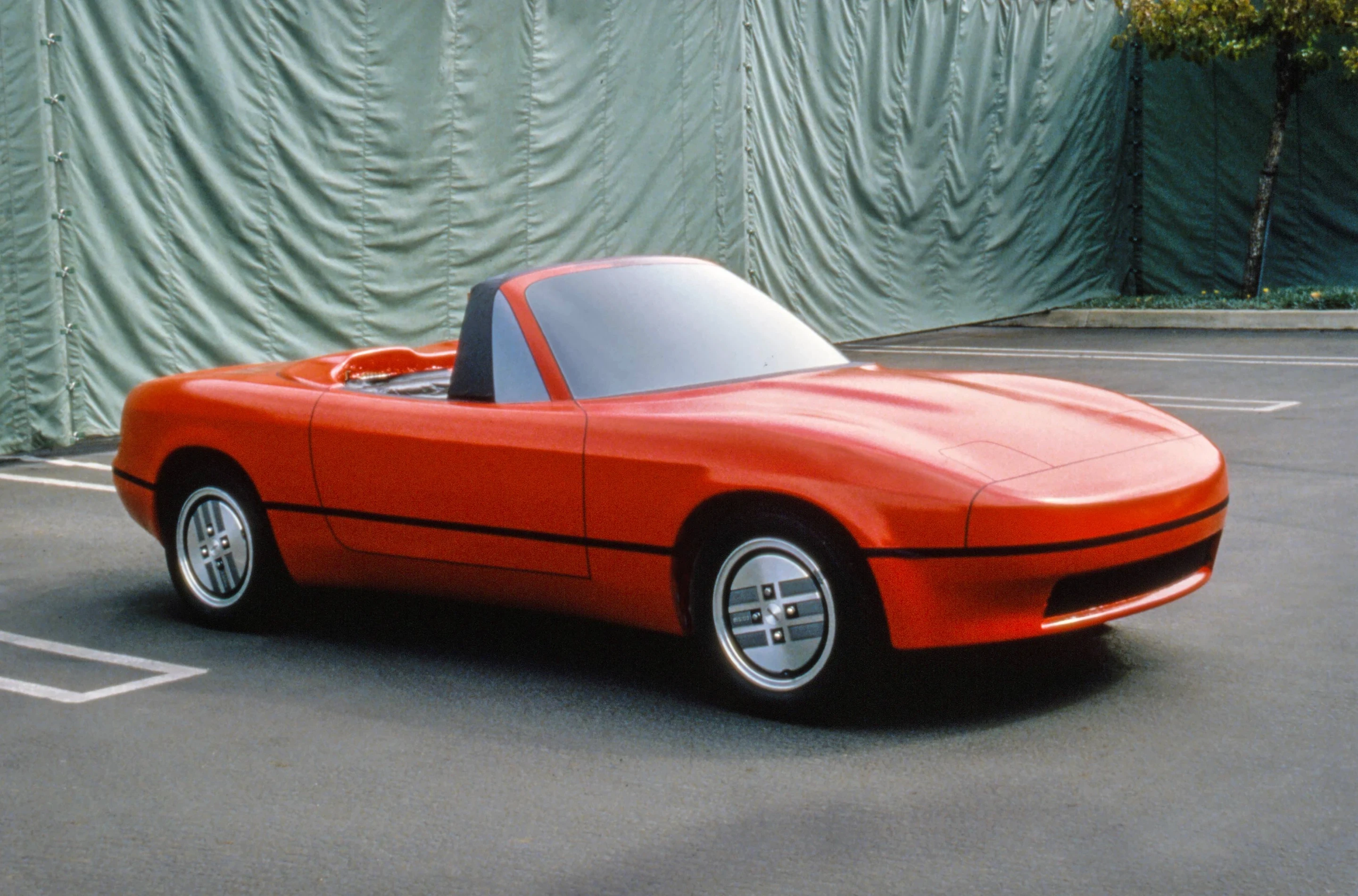
The people surveyed felt it too. The design was given high praise, and the instant obsession with the vehicle silenced any remaining doubt at Mazda’s headquarters.
On January 18, 1986, the MX-5 received final approval for production.
The Engineering
Jinba-ittai

Toshihiko Hirai was handed the task of taking the prototype to mass production. He built a team and a philosophy around a single idea:
that a driver and their car should feel like one.
Every engineering decision was made from that principle.
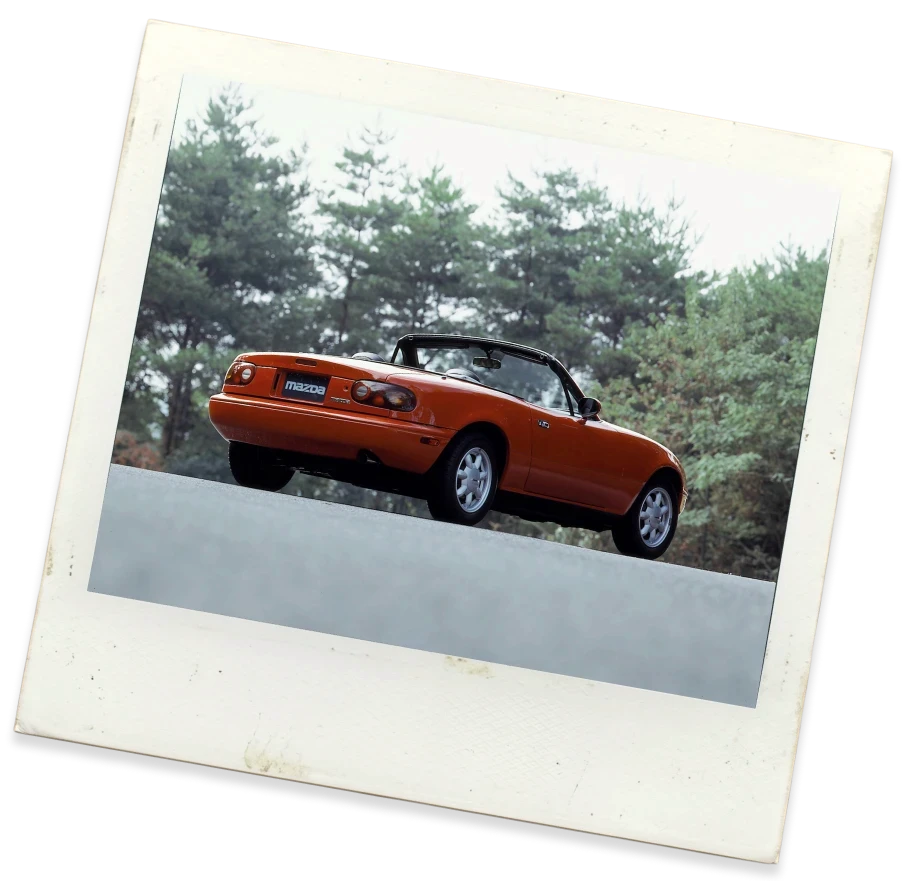
Engineers even spent weeks studying and replicating the sound of a distinctive exhaust note that made people close their eyes and say “that sounds like a little red sports car.”
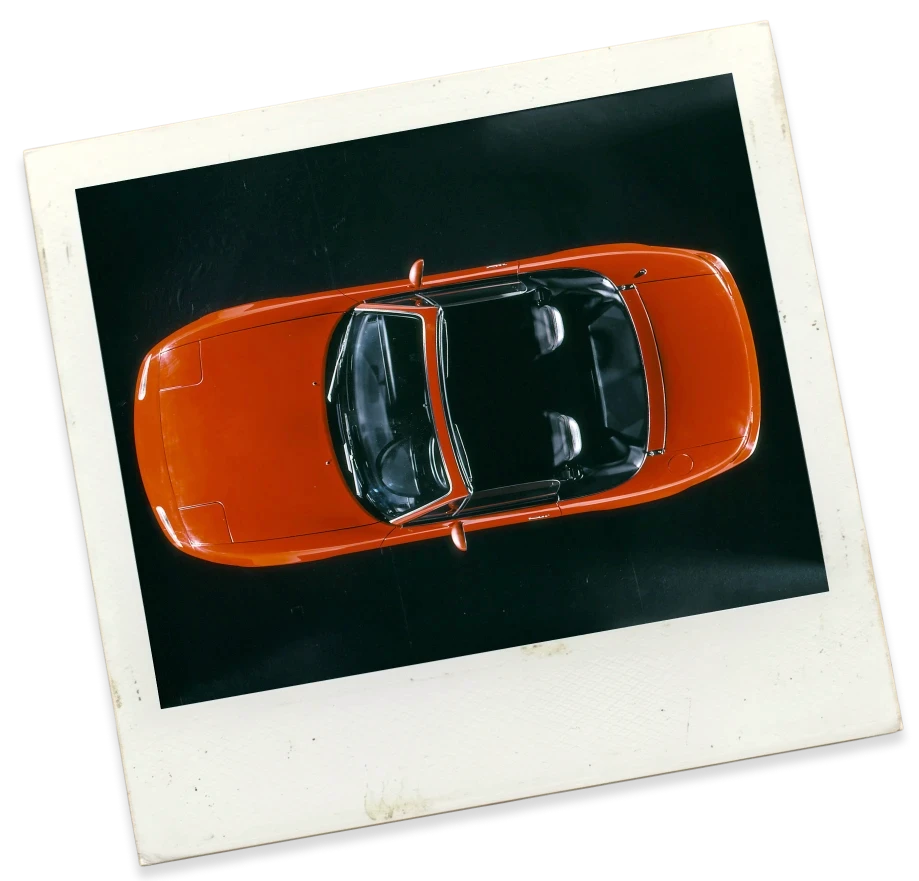
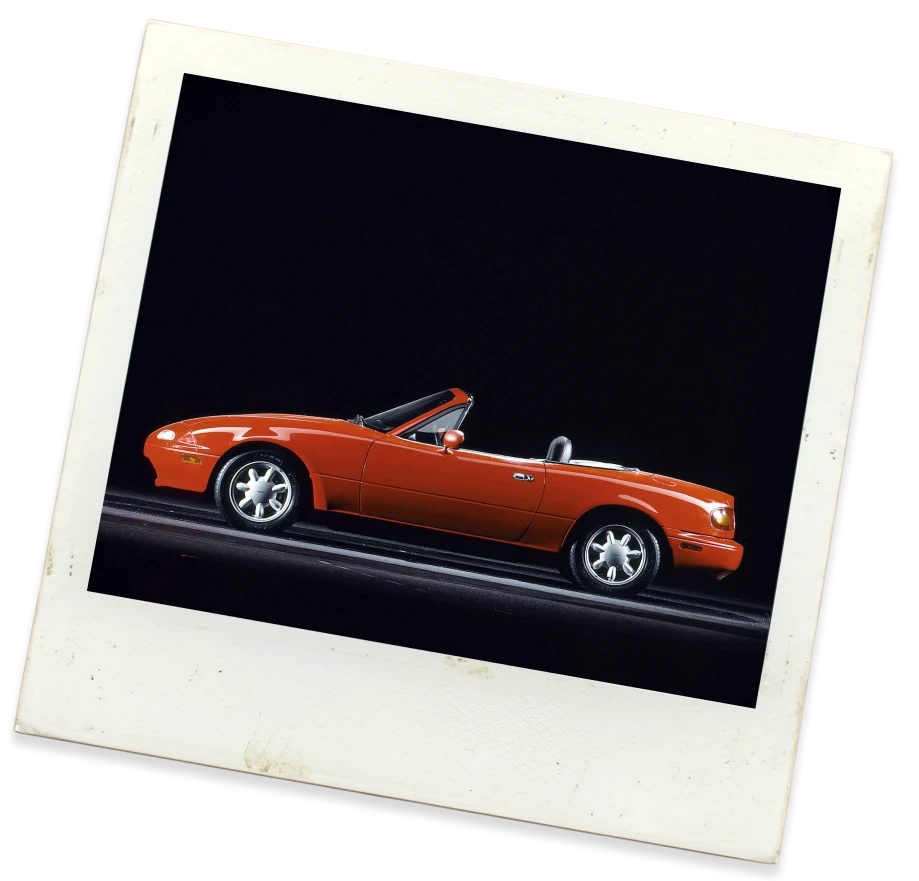
50/50 weight distribution
5-speed manual
7,000 RPM redline
Double-wishbone suspension
Four wheel disc brakes
Distinctive exhaust note
Only 2,200 lbs
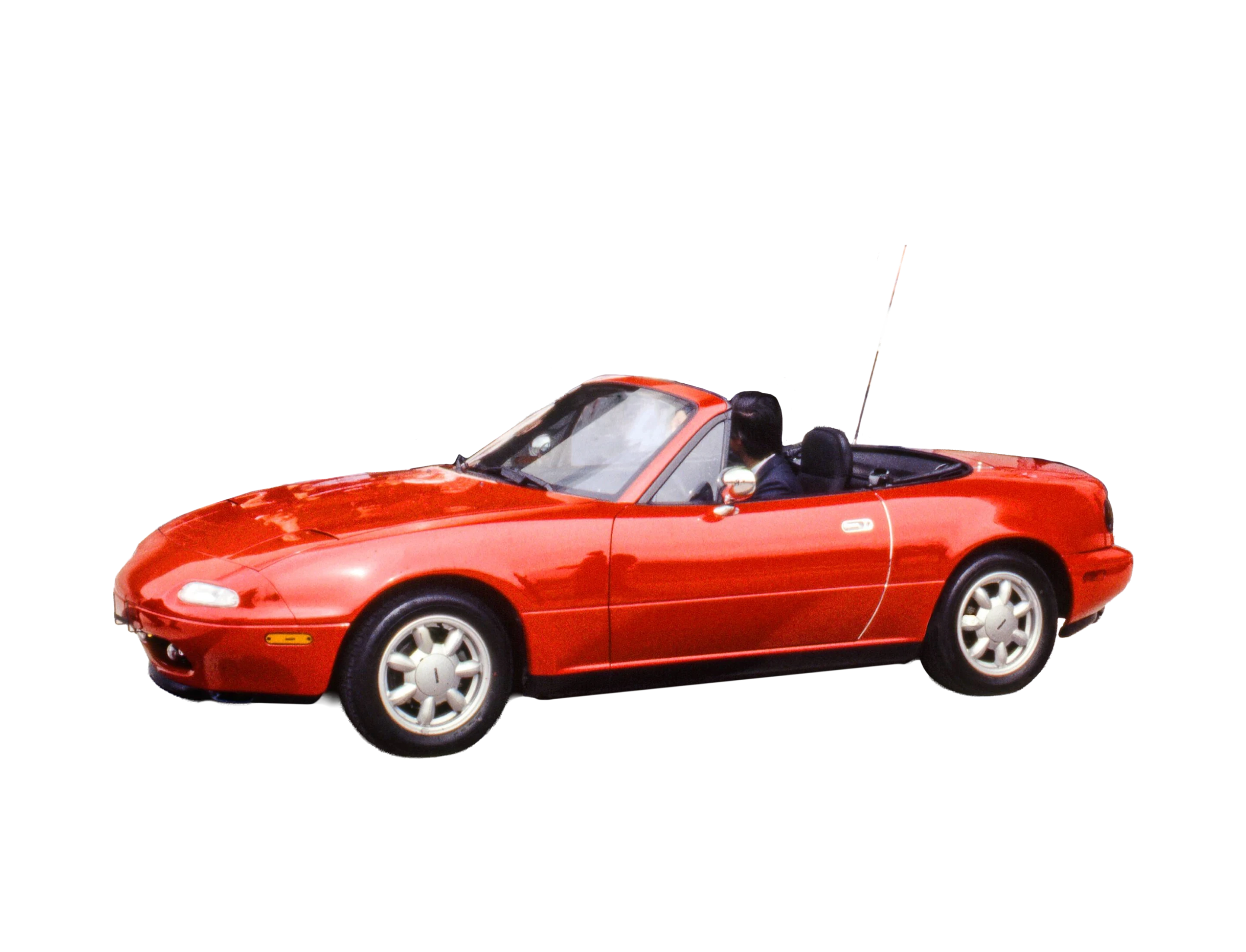
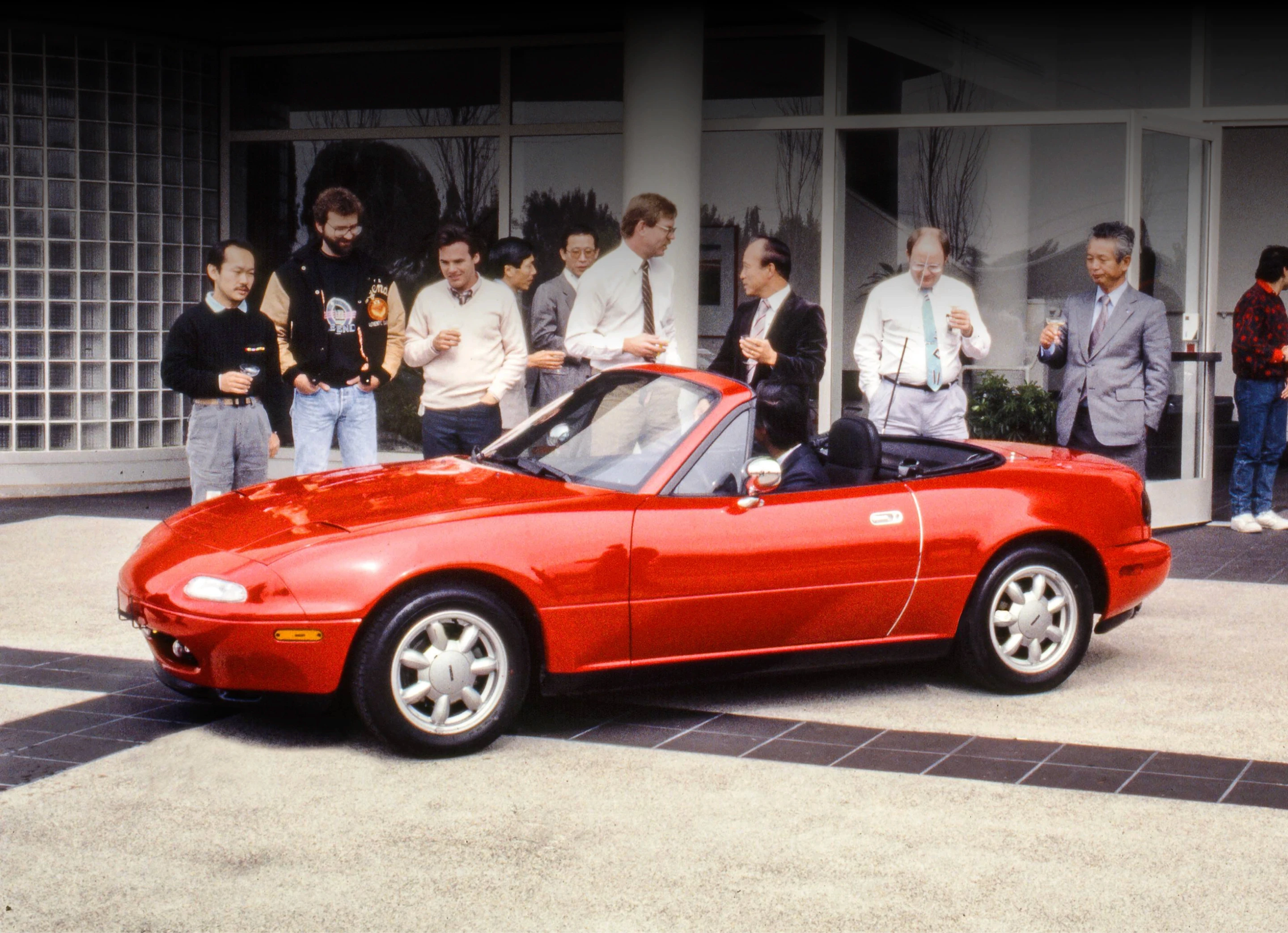
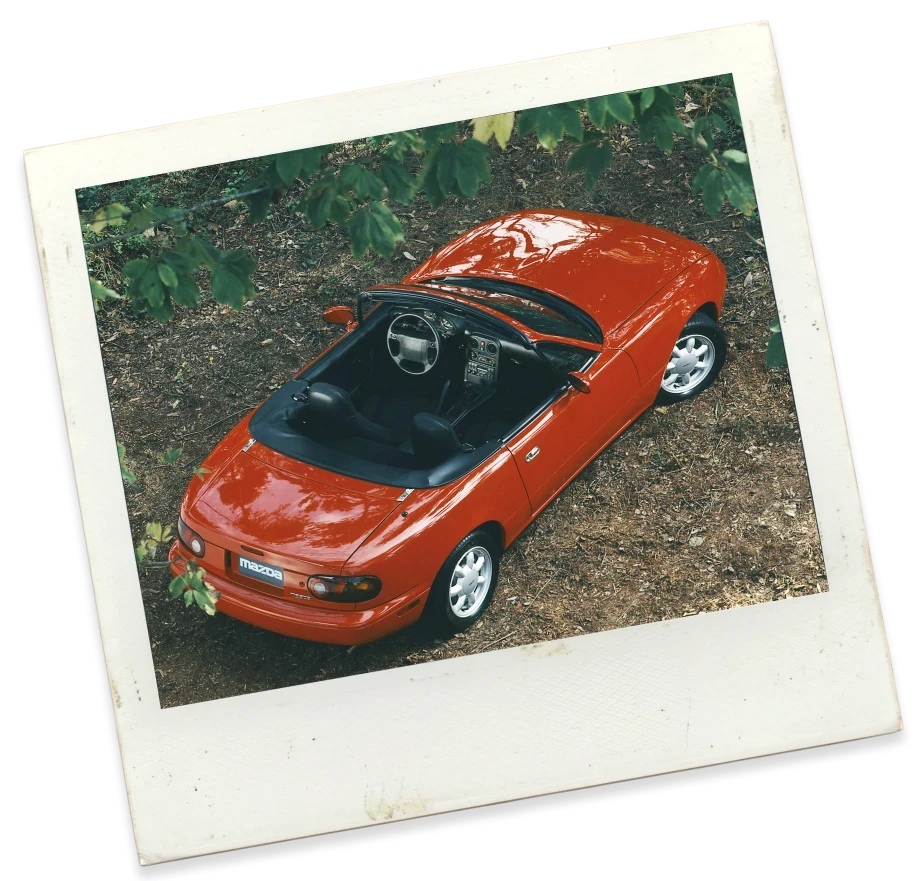
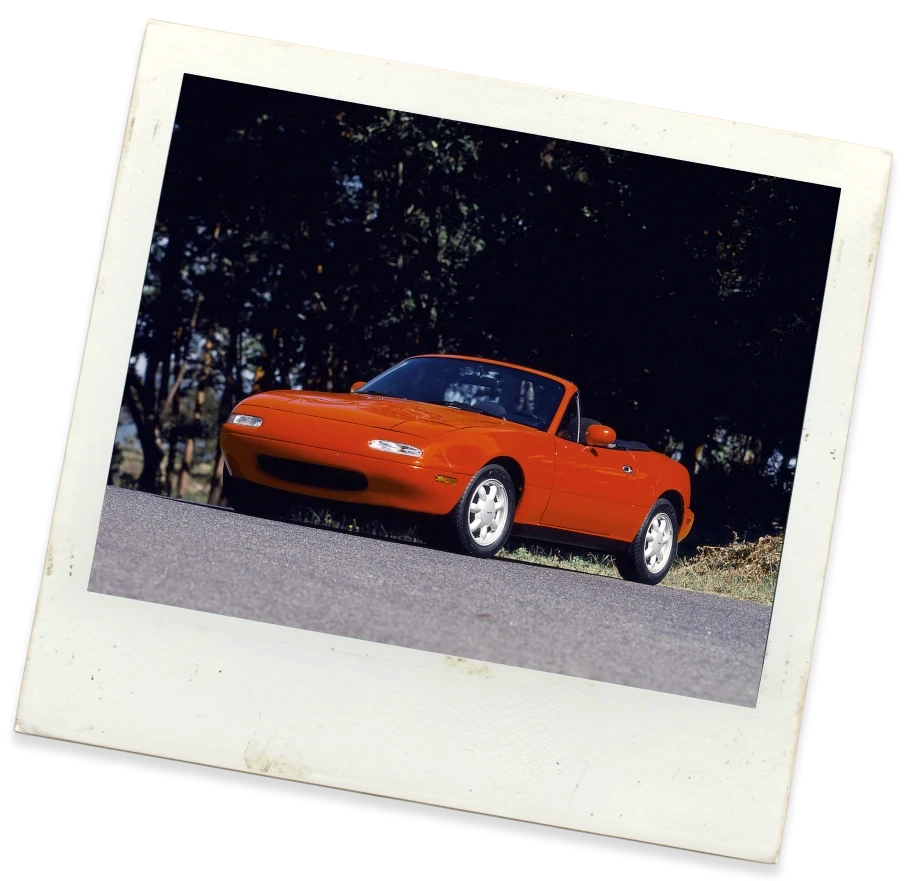

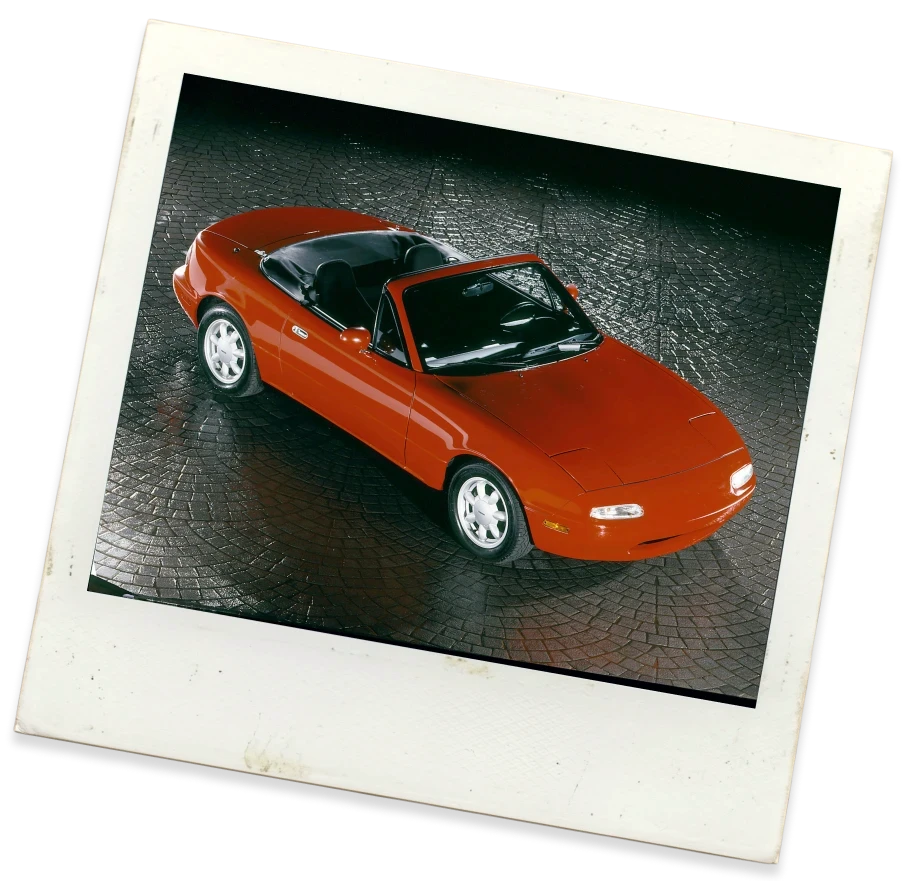
The Legacy
The most beloved roadster of all time.
The MX-5 Miata debuted in 1989 and sold
141,000 units
in its first two years.
By its tenth birthday,
531,890 had found owners,
making it the best-selling two-seater sports car in history.
By 2022, more than
1,100,000 Miatas
had been sold worldwide.
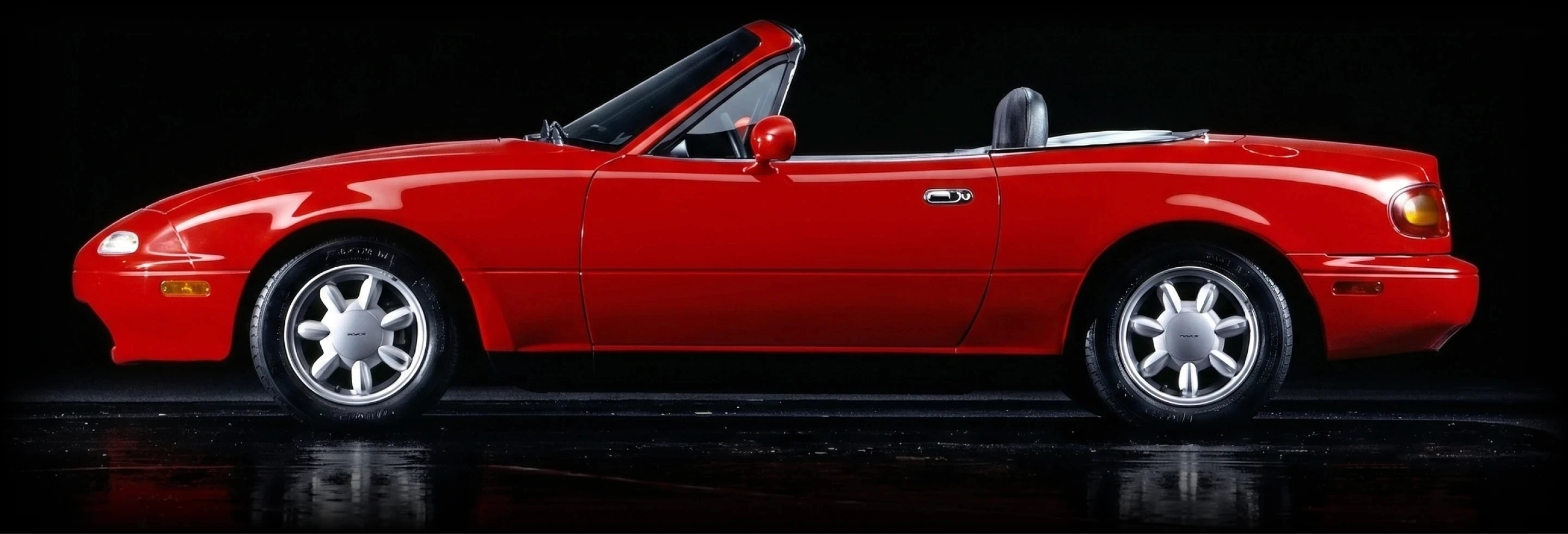
A Love Letter to the Miata
See more work at
tristanf.comPhotography courtesy of Mazda Motor Corporation